The Essential Guide to the Dental Cord Packer
Wiki Article
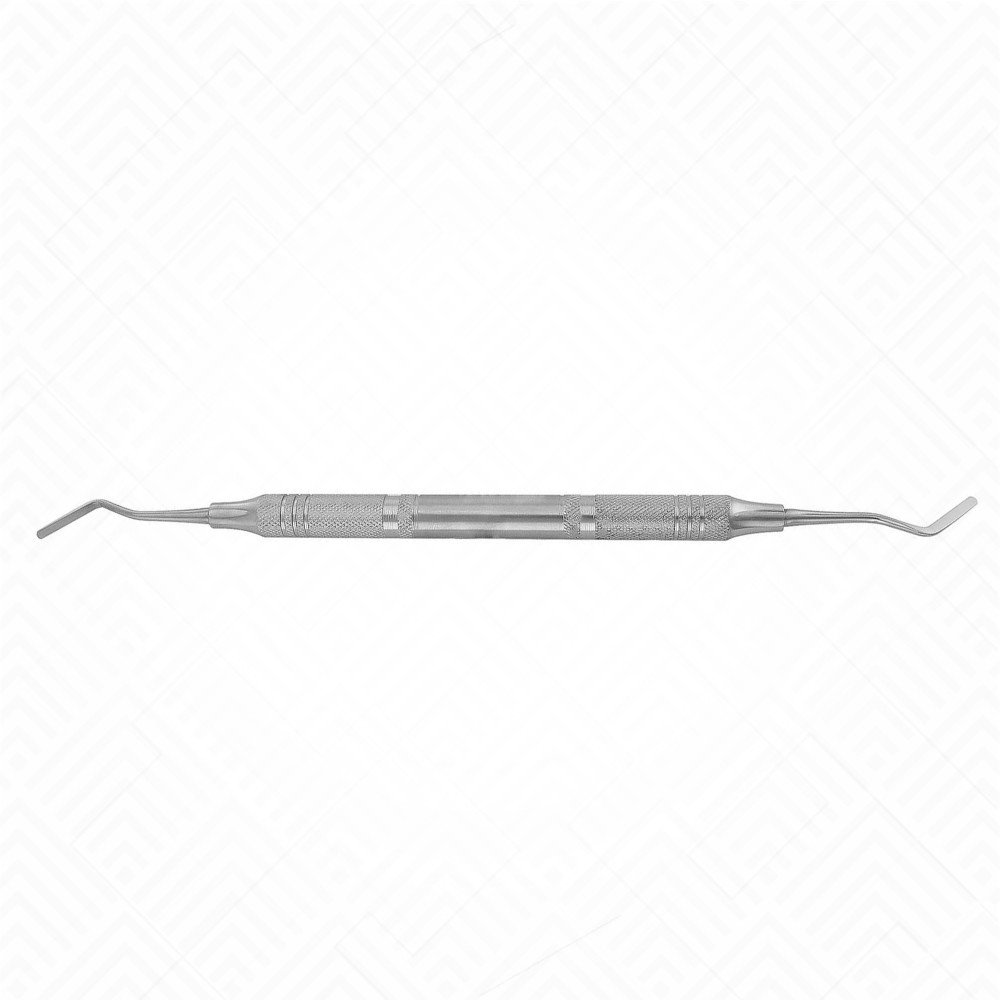
Precision in dentistry is not just a goal; it is a fundamental requirement for successful patient outcomes. Every procedure, from a simple filling to a complex crown placement, relies on the practitioner's skill and the quality of their instruments. Among the array of tools at a dentist's disposal, the dental cord packer holds a special place, particularly in restorative and prosthetic dentistry. Understanding its function and selecting the right one is crucial for achieving clean margins and predictable results.
The Role of a Cord Packer in Restorative Dentistry
A cord packer is a specialized hand instrument designed for placing gingival retraction cord into the sulcus, the small space between the tooth and the surrounding gum tissue. This procedure, known as gingival retraction, is a critical step before taking an impression for a crown, bridge, or veneer. By gently pushing the gingival tissue away from the tooth, the cord creates a clear, accessible margin, which is essential for the dental laboratory to create a perfectly fitting restoration. Without proper retraction, the impression may be inaccurate, leading to a restoration that does not seal correctly, potentially causing future dental problems for the patient.
Design Features of a High-Quality Instrument
The effectiveness of a cord packer is determined by its design. These instruments typically feature a thin, non-serrated or serrated working end, which can be round or flat. The choice between serrated and non-serrated often comes down to practitioner preference. Serrated tips can provide a better grip on the cord, preventing slippage during placement, while smooth tips may offer a gentler touch on the delicate gingival tissues. The angle and shape of the working end are also critical, allowing the dentist to access all areas around the tooth, including difficult-to-reach interproximal spaces.
Mastering the Technique for Optimal Retraction
Using a cord packer effectively requires a delicate but firm technique. The process begins with selecting the appropriate size of retraction cord for the patient's sulcus depth. The dentist then uses the instrument to carefully tuck the cord into the sulcus, applying gentle pressure in a rocking or vibrating motion. The goal is to place the cord just below the tooth margin without causing trauma to the gingival attachment. This meticulous process ensures that the impression material can flow into the created space, capturing every detail of the prepared tooth.
Why Material and Ergonomics Matter
The construction of a dental cord packer directly impacts its performance and longevity. High-quality instruments are typically made from surgical-grade stainless steel, which offers durability, corrosion resistance, and the ability to be sterilized without degradation. Furthermore, the handle design is paramount for ergonomic comfort and control. A well-balanced instrument with a textured grip reduces hand fatigue during lengthy procedures, allowing the practitioner to maintain the fine motor control necessary for such a precise task. This attention to ergonomic detail enhances both the efficiency and the safety of the procedure.
The Impact on Final Restorations
The careful use of a cord packer has a direct and significant impact on the final clinical outcome. When gingival retraction is performed correctly, the resulting impression is exceptionally accurate. This allows the dental technician to fabricate a crown or veneer with margins that fit seamlessly against the tooth. A perfect fit not only looks better aesthetically but is also crucial for the long-term health of the tooth, preventing plaque accumulation at the margins and reducing the risk of secondary decay.
Choosing the Right Cord Packer for Your Practice
For surgeons, students, and healthcare professionals who demand precision, selecting the dental instruments is non-negotiable. When choosing a cord packer, consider the types of procedures you perform most frequently. Having a variety of tip styles—such as thin, wide, round, and flat—can equip you for any clinical situation. At New Med Instruments, we are dedicated to providing high-quality surgical instruments that deliver superior performance. Our tools are crafted to provide the control and precision that professionals require for perfect and predictable results, ensuring the best possible care for their patients.
Report this wiki page